How to Choose the Right Roofing Materials for High-Altitude Homes Jun 14, 2026
High-altitude regions are known for their dramatic climate fluctuations, from intense sunlight to heavy snowfall. Therefore, selecting roofing materials that can withstand these conditions is essential. Begin with understanding the environmental challenges your roof will face. At higher altitudes, the UV radiation is significantly stronger, which requires roofing materials that are highly resistant to ultraviolet damage. Similarly, temperature variations between day and night can be extreme, so materials that can expand and contract without compromising structural integrity are preferable.
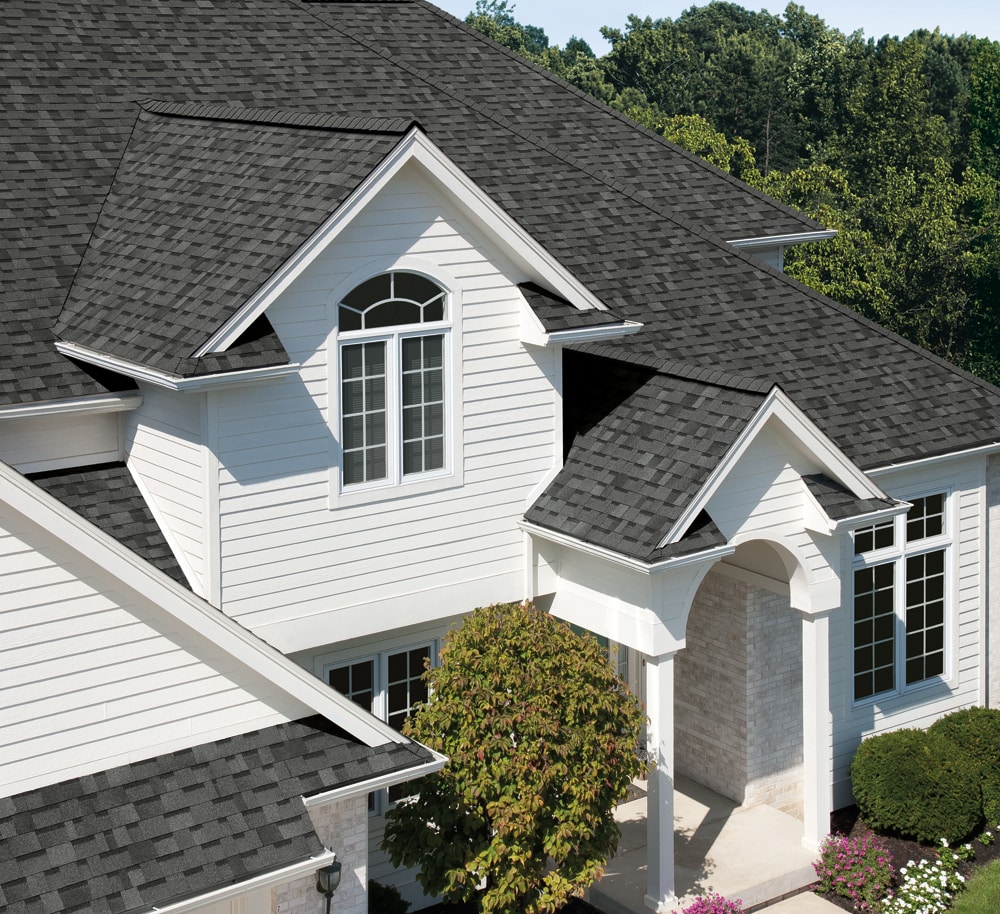
Asphalt shingles are a popular choice among homeowners due to their cost-effectiveness and ease of installation. However, not all asphalt shingles are created equal. For high-altitude homes, it's important to opt for high-quality, durable shingles that are designed to withstand severe weather conditions. Look for options that are rated for high wind speeds and carry certifications for impact resistance, which provides reassurance during hailstorms.
Metal roofing is another excellent option for high-altitude homes. Known for its strength and longevity, metal roofing reflects solar heat effectively, making it energy-efficient and ideal for elevations where the sun is closer to the earth. Additionally, metal roofs are particularly beneficial in areas with heavy snowfall as their smooth surfaces allow snow and ice to slide off easily, preventing ice dams and structural strain. The long lifespan of metal roofs, often exceeding 50 years, makes them a worthwhile investment for mountain homes.
Slate roofing, while more expensive, offers an aesthetic and durable alternative. Slate is naturally resistant to temperature fluctuations and provides excellent insulation, making it suitable for the extreme conditions at higher elevations. Its natural stone composition means it doesn't absorb much moisture, minimizing issues related to freeze-thaw cycles. However, due to its weight, ensure that your home's structure can support a slate roof.
Composite roofing is an increasingly popular choice among those who seek versatility and durability at a reasonable price. Made from a combination of materials, these roofs can mimic the appearance of natural stone or wood while offering greater resilience against harsh climates. Composite materials often come with high impact-resistance ratings, essential for homes in high-altitude settings subject to snowfall and hail.
Ultimately, consulting with a local roofing expert like Mountain Tech Roofing is invaluable. We understand the unique demands of high-altitude environments and can help you select materials that not only meet your aesthetic preferences but also enhance your home’s protective capabilities. Professional input ensures that the roofing system chosen will deliver optimal performance and longevity, providing peace of mind in knowing that your home is well-protected.
In conclusion, choosing the right roofing materials involves balancing aesthetic desires, budget considerations, and environmental challenges. Prioritizing materials that are durable, energy-efficient, and suited to the high-altitude climate will ensure that your home remains safe and comfortable for years to come. For more personalized advice, Mountain Tech Roofing is here to assist with tailored recommendations and expert installation services, ensuring your roofing project is a success from start to finish.
/filters:no_upscale()/filters:format(webp)/media/995c8826-fa2d-45f0-b82b-ae6bcb00e3de.jpeg)
/filters:no_upscale()/filters:format(webp)/media/396ac666-4c93-49bf-a81e-8f789793e95d.jpeg)